
How to Standardize RFx Across Categories and Business Units
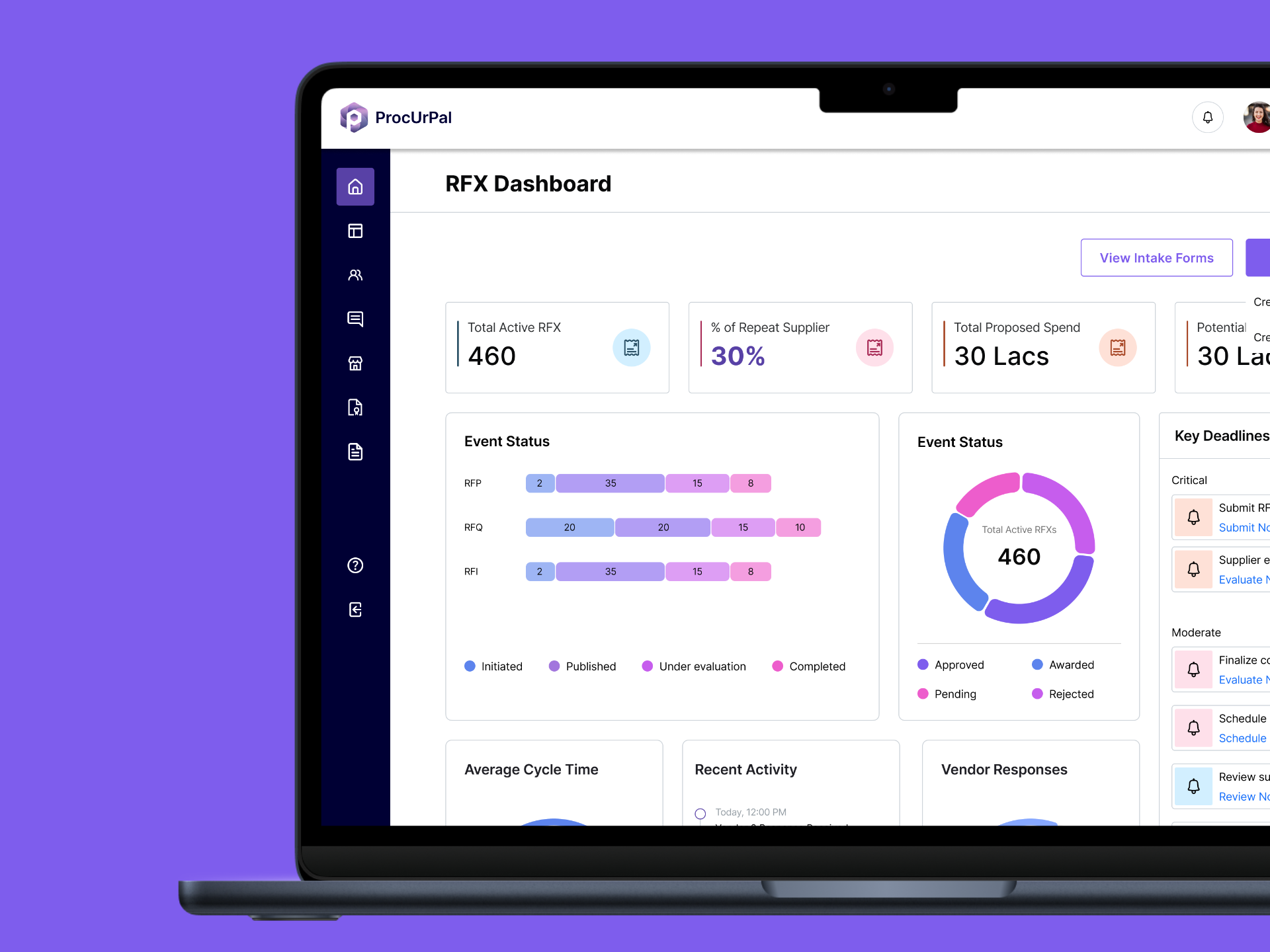
How to Standardize RFx Across Categories and Business Units As organisations scale, procurement complexity increases rapidly. Different categories, regions, and business units often develop their own RFx formats, evaluation methods, and communication styles. While this may seem flexible, it usually results in inconsistent outcomes, compliance risks, and limited visibility. Standardising RFx processes is essential for procurement leaders who want control without sacrificing agility. Modern platforms like ProcUrPal make this standardisation practical, enforceable, and scalable. Why RFx Standardization Matters Lack of RFx standardisation leads to: Inconsistent supplier information and responses Difficult-to-compare bids across categories Increased cycle times due to rework and clarifications Higher audit and compliance risk Lost opportunities for savings and benchmarking Standardisation creates a common procurement language, enabling better governance while still allowing category-specific flexibility. Step 1: Define a Unified RFx Framework Start by establishing a core RFx structure that applies across all categories and business units. This framework should define: When to use RFI, RFP, or RFQ Mandatory sections (scope, commercial terms, compliance, timelines) Standard instructions for suppliers Common response formats This ensures every RFx follows a familiar, predictable structure—both internally and for suppliers. Step 2: Create Centralized RFx Templates Templates are the backbone of standardisation. Procurement should maintain a central library of approved RFx templates for each sourcing type and category. Effective templates include: Pre-approved legal and commercial clauses Standard evaluation criteria and weightings Mandatory compliance questions Clear submission and evaluation timelines Templates should be easy to reuse and update centrally, ensuring changes are reflected instantly across the organisation. Step 3: Standardize Evaluation & Scoring Models Inconsistent evaluation is one of the biggest barriers to fair sourcing. Define standard scoring models that balance price, quality, risk, and value. Best practices include: Fixed scoring ranges and definitions Clear weighting guidelines by category Mandatory technical and commercial thresholds Structured comparison views for evaluators This allows procurement leaders to compare outcomes across business units and categories with confidence. Step 4: Enable Controlled Flexibility for Categories Standardisation does not mean rigidity. Categories often have unique requirements. The key is controlled flexibility. Allow category teams to: Add custom questions or sections Adjust weightings within approved limits Include category-specific technical criteria At the same time, core governance elements—approvals, audit logs, and evaluation rules—remain consistent. Step 5: Centralize Collaboration & Communication Standardising RFx also means standardising communication. All supplier clarifications, negotiations, and internal discussions should occur within the RFx context, not over email or external tools. This ensures: Single source of truth for all communications Complete audit trails Faster, more transparent decision-making Step 6: Track Compliance, Performance & Outcomes Standardisation only delivers value if it is measurable. Use analytics to track: RFx cycle times across categories Supplier participation and response quality Savings and value outcomes Template and process adherence These insights help refine RFx standards over time and demonstrate procurement’s strategic impact. How ProcUrPal Enables RFx Standardization at Scale ProcUrPal brings structure and flexibility together by offering: Centralized RFx template management Role-based controls and approvals Built-in evaluation frameworks Unified collaboration and audit trails Cross-category analytics and benchmarking The result is a consistent, compliant, and scalable RFx process that supports both enterprise governance and category innovation. Final Takeaway Standardising RFx across categories and business units is not about slowing teams down—it’s about making good procurement repeatable. With the right framework and technology, organisations can achieve consistency without compromise, turning sourcing into a strategic, enterprise-wide capability.