
RFQ vs RFP vs RFI: Key Differences Every Procurement Leader Must Know
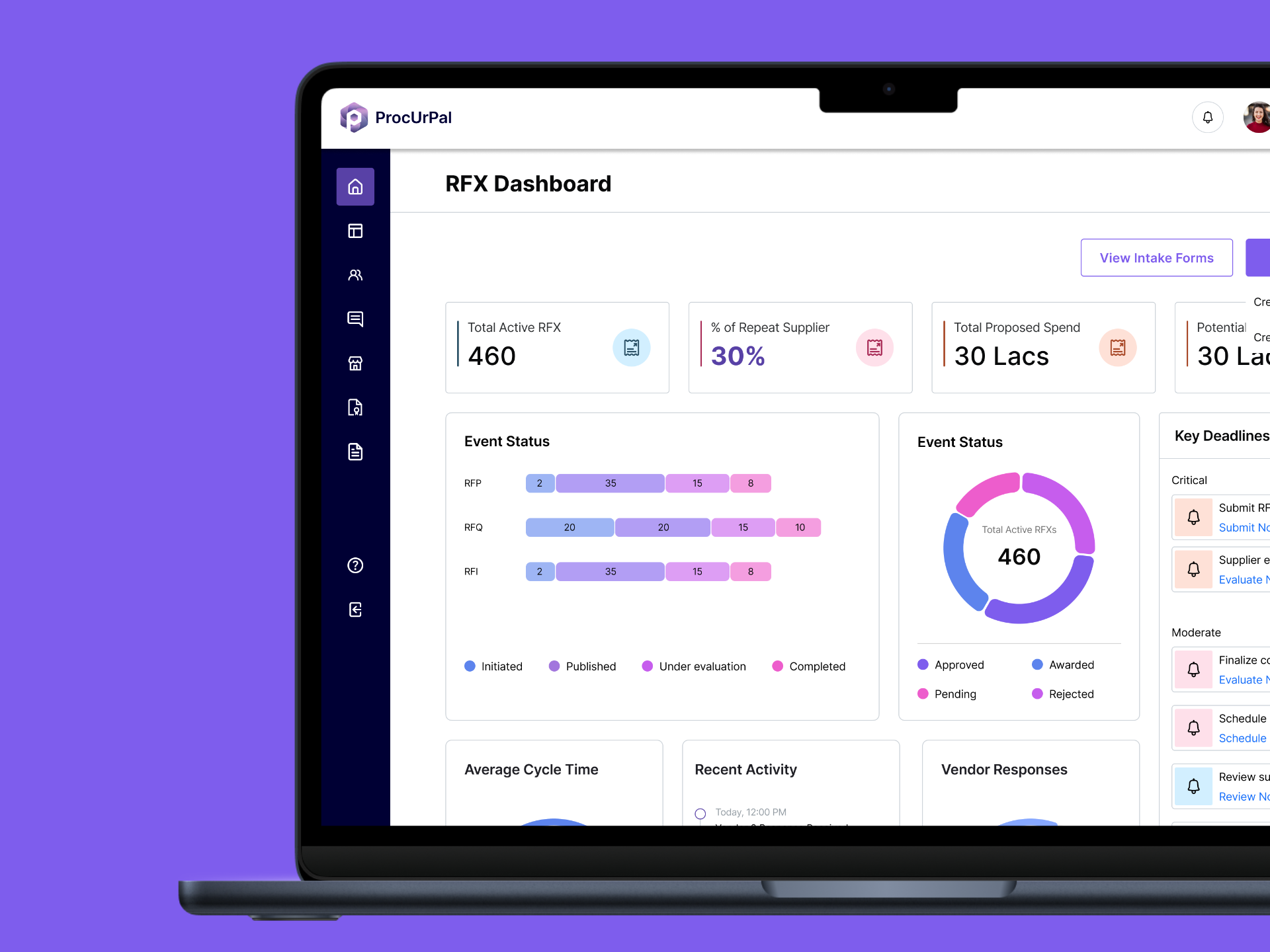
In procurement, choosing the right sourcing document is often the difference between clarity and chaos. RFQ, RFP, and RFI are frequently used interchangeably—but they serve very different purposes. For procurement leaders, understanding when and how to use each is critical to driving value, supplier alignment, and faster decision-making. Modern platforms like ProcUrPal embed all three into a single, structured sourcing workflow, ensuring teams always use the right tool at the right time. What Is an RFI (Request for Information)? An RFI is used when an organisation is exploring the market and needs information—not pricing or proposals. It helps procurement teams: Understand supplier capabilities and offerings Learn about available technologies, services, or solutions Shortlist potential vendors for the next stage Reduce uncertainty before committing to formal sourcing RFIs are especially useful in new categories, innovation-driven sourcing, or complex services, where requirements are still evolving. Key focus: Learning and discovery Supplier response: High-level information, capabilities, credentials What Is an RFP (Request for Proposal)? An RFP is issued when requirements are clear but solutions may vary. It invites suppliers to propose how they would meet the organisation’s needs. RFPs typically evaluate: Technical and functional approach Methodology and implementation plans Commercial structure Value-added services and innovation Compliance with business, legal, and operational requirements RFPs are ideal for strategic sourcing, IT systems, consulting, long-term services, and complex projects, where evaluation goes far beyond price. Key focus: Value, approach, and solution quality Supplier response: Detailed proposals and commercial offers What Is an RFQ (Request for Quotation)? An RFQ is used when specifications are clear and standardised, and price is the primary differentiator. It is commonly applied to: Direct materials Standard goods and commodities Repeat purchases with fixed specifications Volume-based sourcing RFQs enable quick price comparisons and efficient supplier selection when technical differentiation is minimal. Key focus: Cost and commercial terms Supplier response: Itemised pricing and delivery details RFQ vs RFP vs RFI: Side-by-Side Comparison Aspect RFI RFP RFQ Primary Purpose Market discovery Solution evaluation Price comparison Requirement Clarity Low Medium to High Very High Pricing Focus No Partial Yes Evaluation Criteria Capabilities Quality + Value Price Typical Outcome Supplier shortlist Best-fit solution Lowest qualified bid Choosing the Right Approach: A Strategic Perspective Many procurement inefficiencies arise from using the wrong sourcing tool: Issuing an RFQ when requirements are unclear leads to poor bids Launching an RFP without market understanding increases risk Skipping an RFI can result in missed innovation Leading organisations follow a progressive sourcing approach: RFI → RFP → RFQ, when appropriate—refining clarity at each stage. How ProcUrPal Simplifies the Sourcing Journey With ProcUrPal, procurement teams can: Launch RFIs, RFPs, and RFQs from a single platform Compare responses with structured evaluation frameworks Collaborate internally and with suppliers in-context Track savings, participation, and outcomes through analytics This ensures sourcing decisions are data-driven, auditable, and aligned with business goals. Final Thoughts RFIs, RFPs, and RFQs are not interchangeable—they are strategic instruments. When used correctly, they reduce risk, improve supplier outcomes, and maximise procurement value. For procurement leaders, mastering these tools is no longer optional—it’s essential. With the right process and the right platform, sourcing becomes not just efficient, but truly strategic.